Routesetting happens at virtually all commercial climbing walls on a regular schedule.
Benefits include new and exciting challenges customized to the skills, ability and development of the climbers who utilize the wall.
Routesetting is a also good opportunity for wall maintenance which is often needed.
For perspective, commercial gyms close a section or two each week to reset and cycle out routes every few months to keep things fresh and users engaged.
Routes are tailored for kids, adults, or mixed use. Difficulties are set for climbers with a range of skill and ability.
Key Features and Considerations:
Plan and Preparation
Initial consultation (1-2 hours) with optional (recommended) in person site visit
Discuss needs for facility manager and climbing wall users
Hold inventory overview, additional holds, volumes, materials acquired if needed
Hold Removal
All holds and volumes removed from the wall
Stuck holds removed
All holds cleaned via pressure wash (running water and electricity required)
Wall maintenance completed if needed.
Setting
Route difficulty targets and types determined
Holds organized and allocated
Route setting!Putting the holds on!
All routes labeled, forerun, checked for quality, flow, purpose, grade and safety
Follow up
Feedback gathered from users and managers
Return visit if needed to address any issues that may have come up
Post reset summary
Routesetting services are highly variable in quality and scope. Projects will be quoted on a case by case basis. Factors to consider are:
· Facility / Project Size
· Specialization or routes requested (competition vs. general use)
· Top Rope, Lead, Boulder Quantity
· Setting style and density
· Wall Location
· Routine Maintenance Needs
· Wall Type and Angles
· Back of Wall Access
· Estimated time to complete
· Other variables that may be in play
Services currently outside of our scope of practice:
Structural inspection and repair of climbing wall frames and panels
Massachusetts amusement, challenge course and climbing wall licensure inspection
CONTACT US FOR QUOTES AND OPTIONS
Routesetting happens at virtually all commercial climbing walls on a regular schedule.
Benefits include new and exciting challenges customized to the skills, ability and development of the climbers who utilize the wall.
Routesetting is a also good opportunity for wall maintenance which is often needed.
For perspective, commercial gyms close a section or two each week to reset and cycle out routes every few months to keep things fresh and users engaged.
Routes are tailored for kids, adults, or mixed use. Difficulties are set for climbers with a range of skill and ability.
Key Features and Considerations:
Plan and Preparation
Initial consultation (1-2 hours) with optional (recommended) in person site visit
Discuss needs for facility manager and climbing wall users
Hold inventory overview, additional holds, volumes, materials acquired if needed
Hold Removal
All holds and volumes removed from the wall
Stuck holds removed
All holds cleaned via pressure wash (running water and electricity required)
Wall maintenance completed if needed.
Setting
Route difficulty targets and types determined
Holds organized and allocated
Route setting!Putting the holds on!
All routes labeled, forerun, checked for quality, flow, purpose, grade and safety
Follow up
Feedback gathered from users and managers
Return visit if needed to address any issues that may have come up
Post reset summary
Routesetting services are highly variable in quality and scope. Projects will be quoted on a case by case basis. Factors to consider are:
· Facility / Project Size
· Specialization or routes requested (competition vs. general use)
· Top Rope, Lead, Boulder Quantity
· Setting style and density
· Wall Location
· Routine Maintenance Needs
· Wall Type and Angles
· Back of Wall Access
· Estimated time to complete
· Other variables that may be in play
Services currently outside of our scope of practice:
Structural inspection and repair of climbing wall frames and panels
Massachusetts amusement, challenge course and climbing wall licensure inspection
CONTACT US FOR QUOTES AND OPTIONS

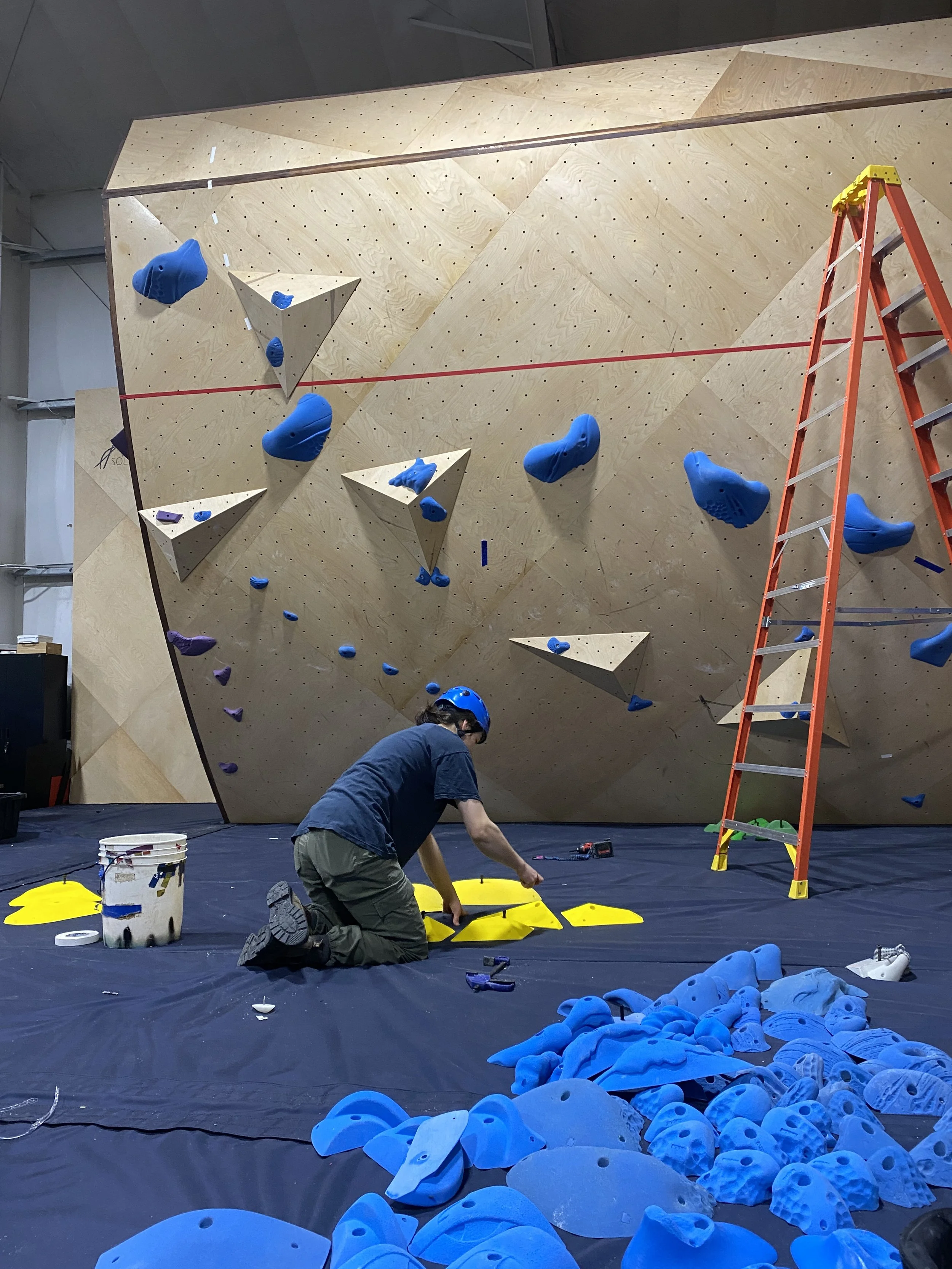 Image 1 of 11
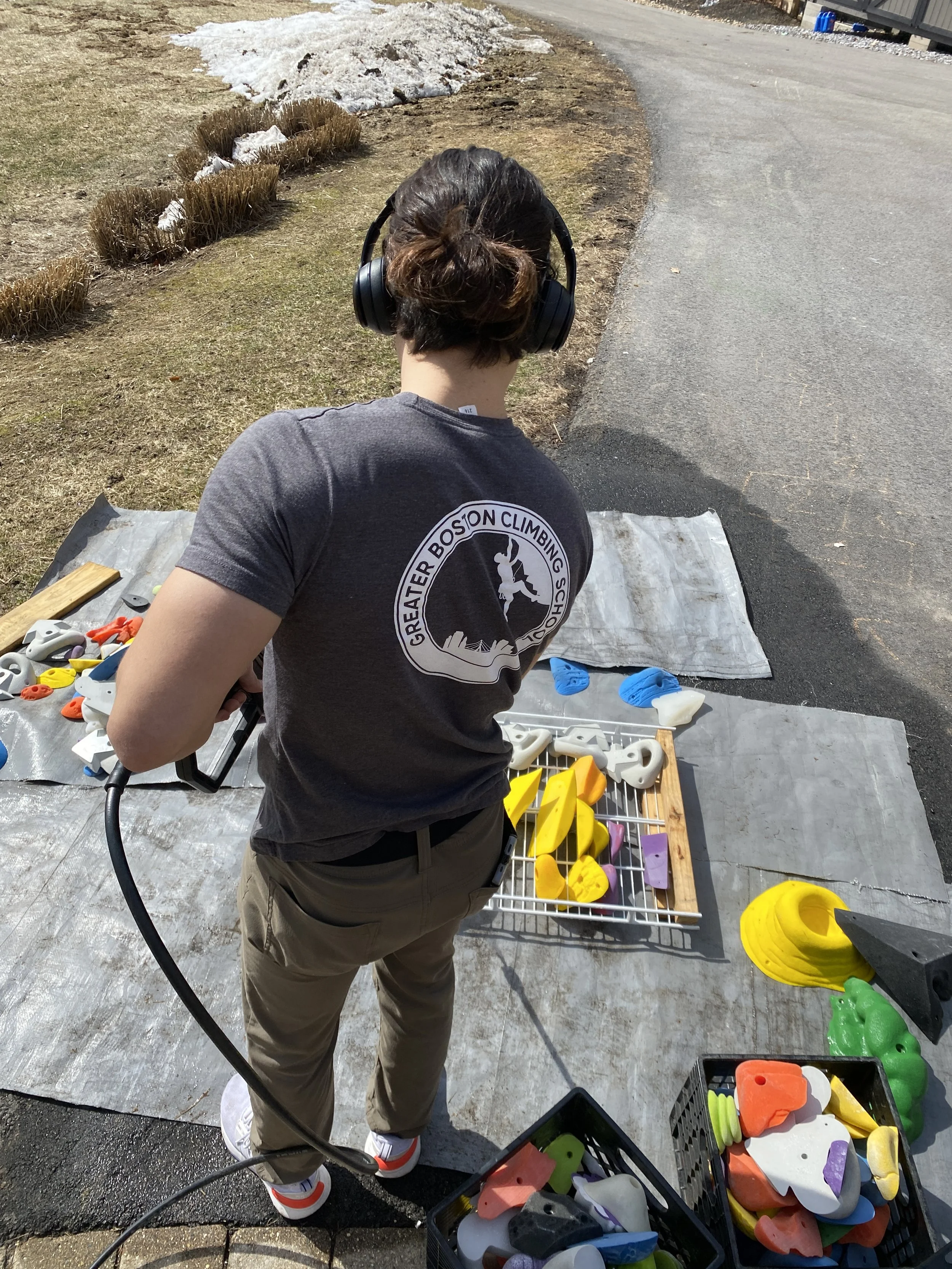 Image 2 of 11
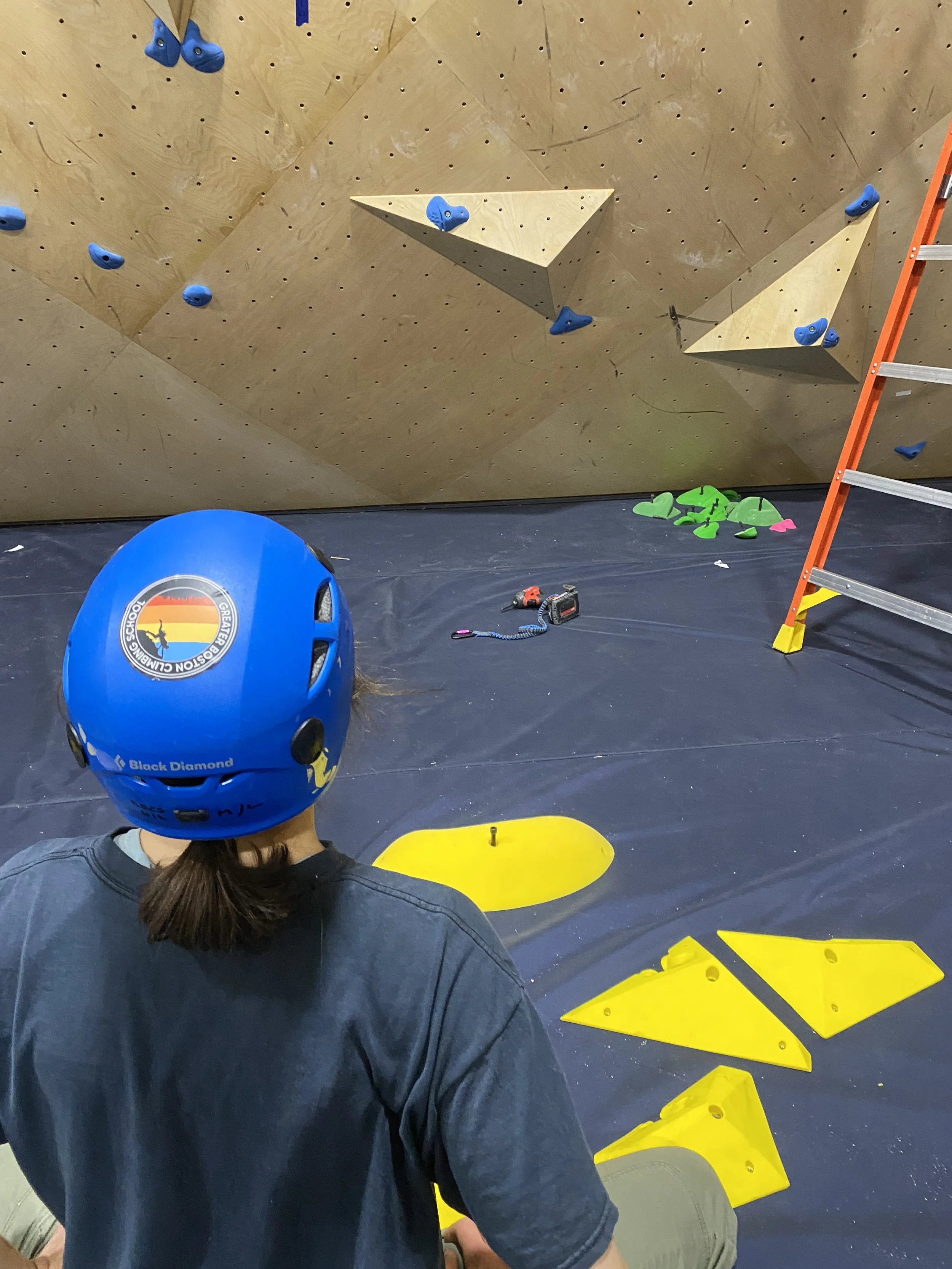 Image 3 of 11
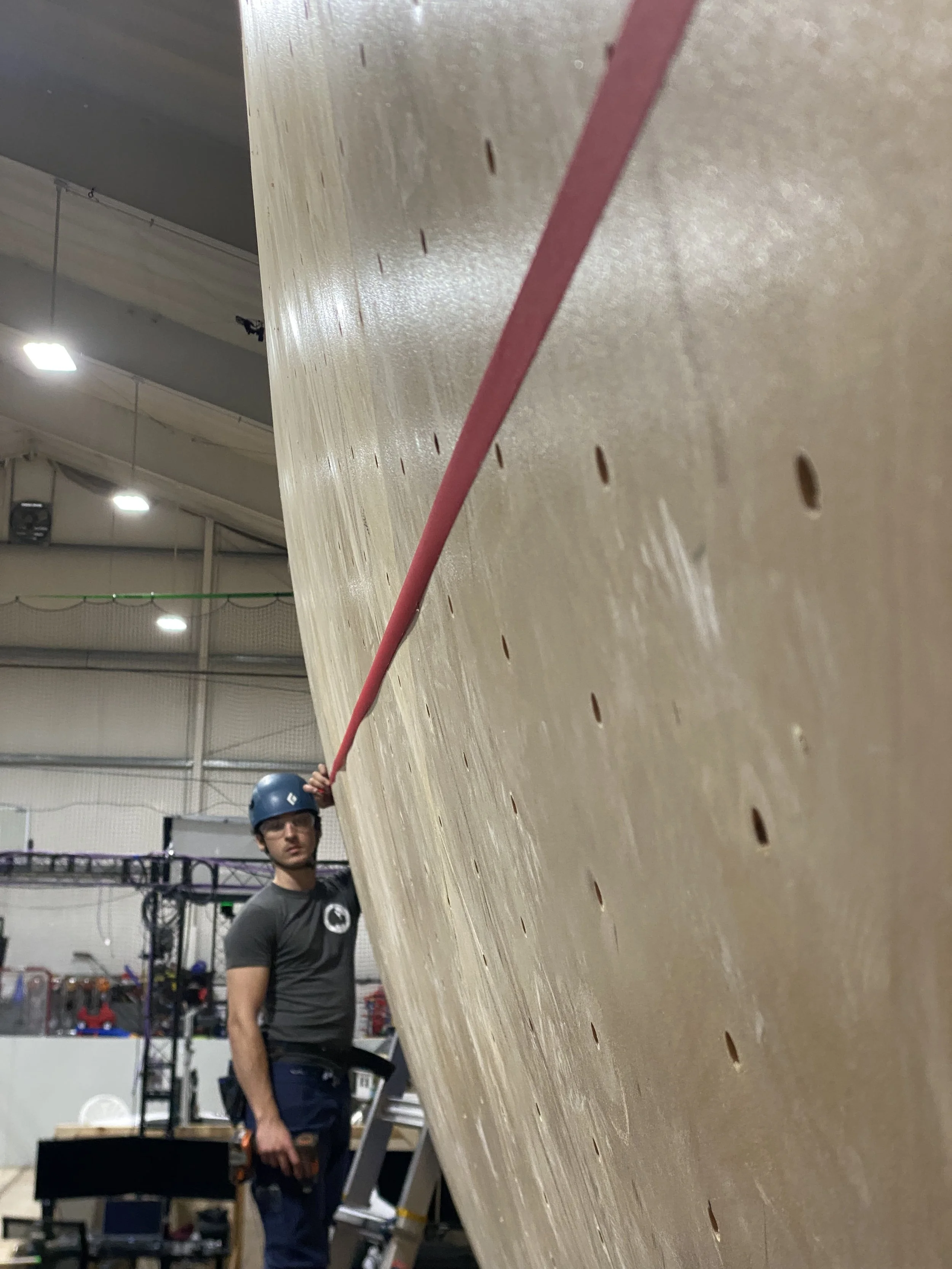 Image 4 of 11
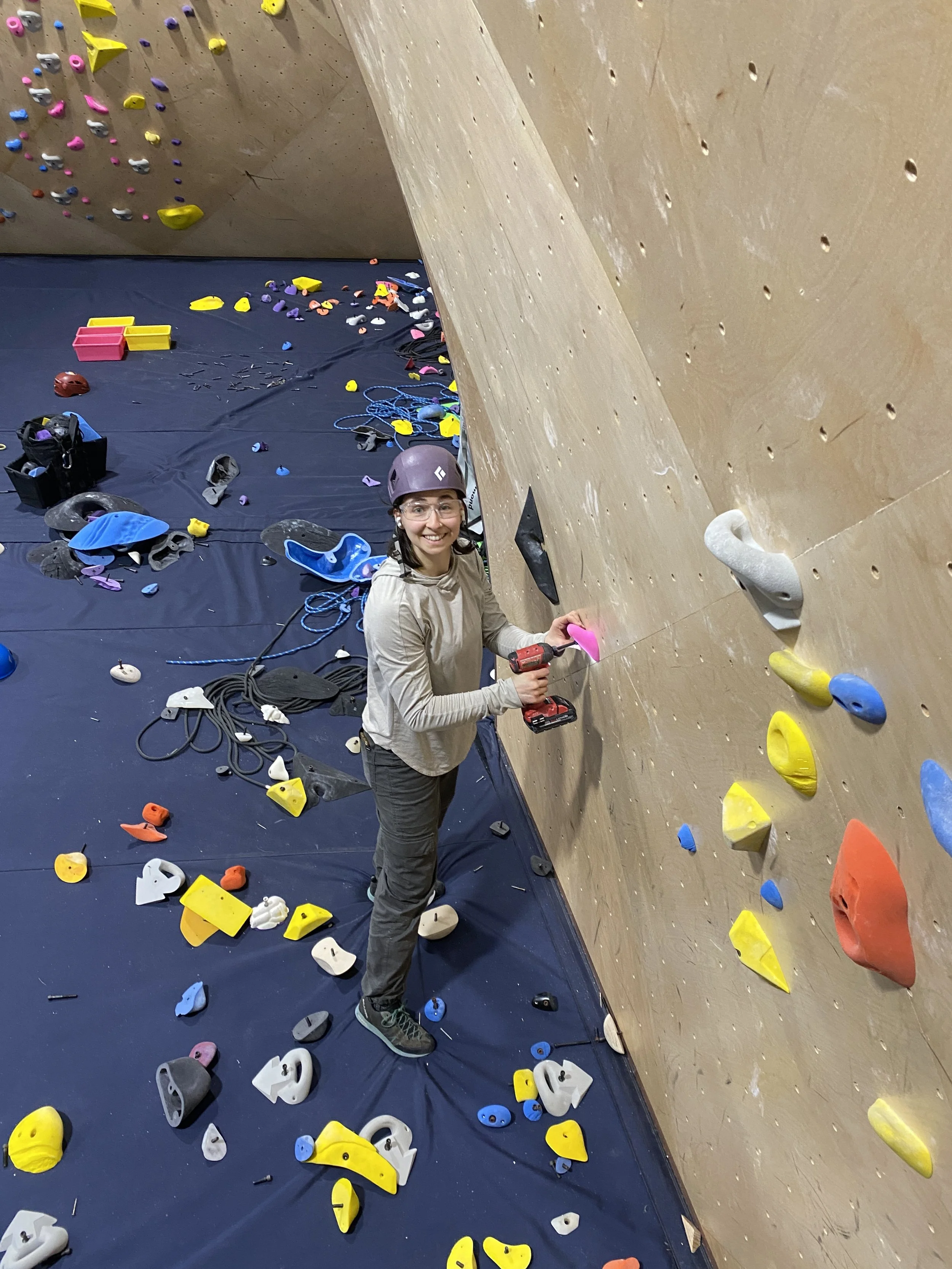 Image 5 of 11
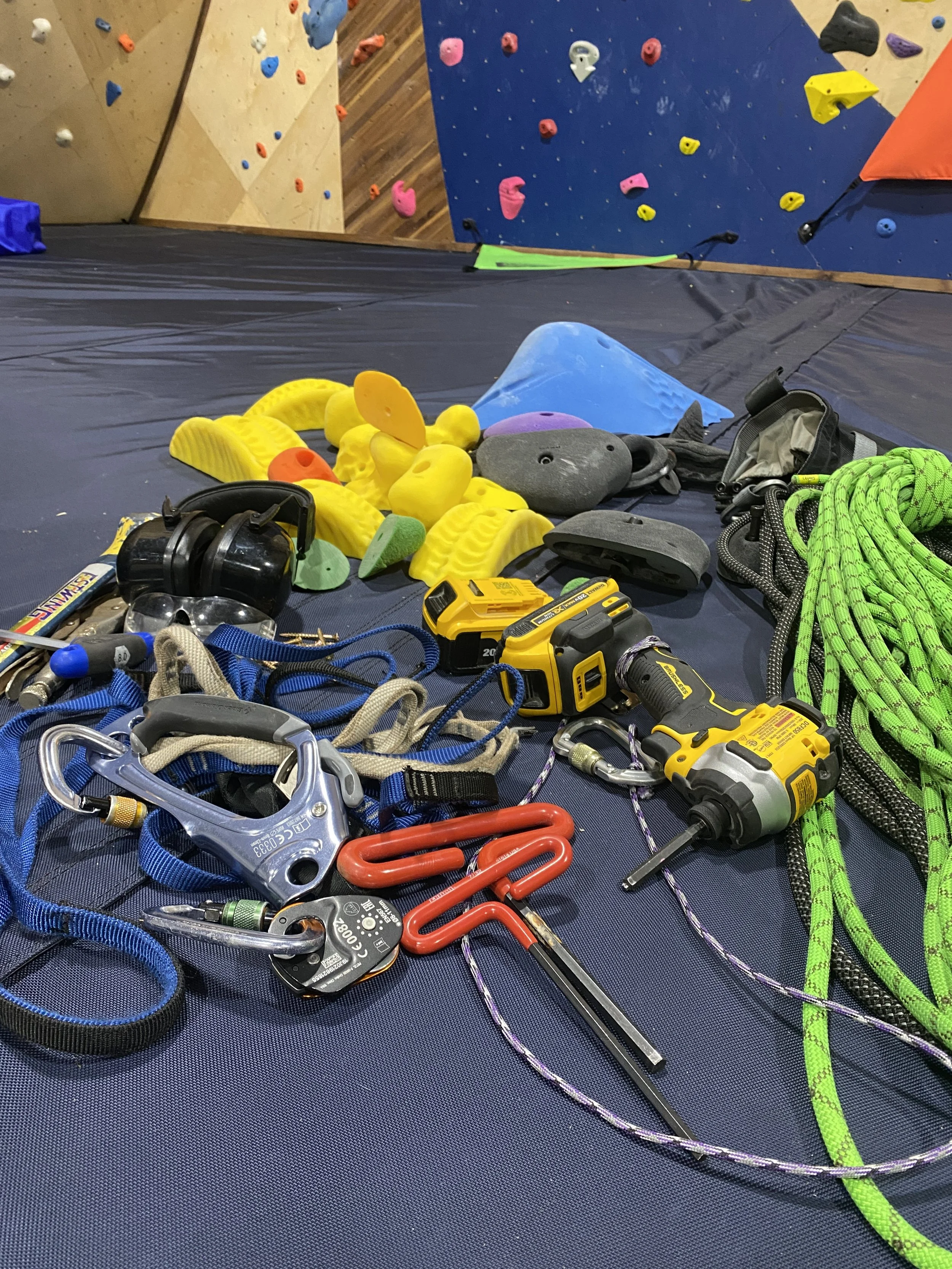 Image 6 of 11
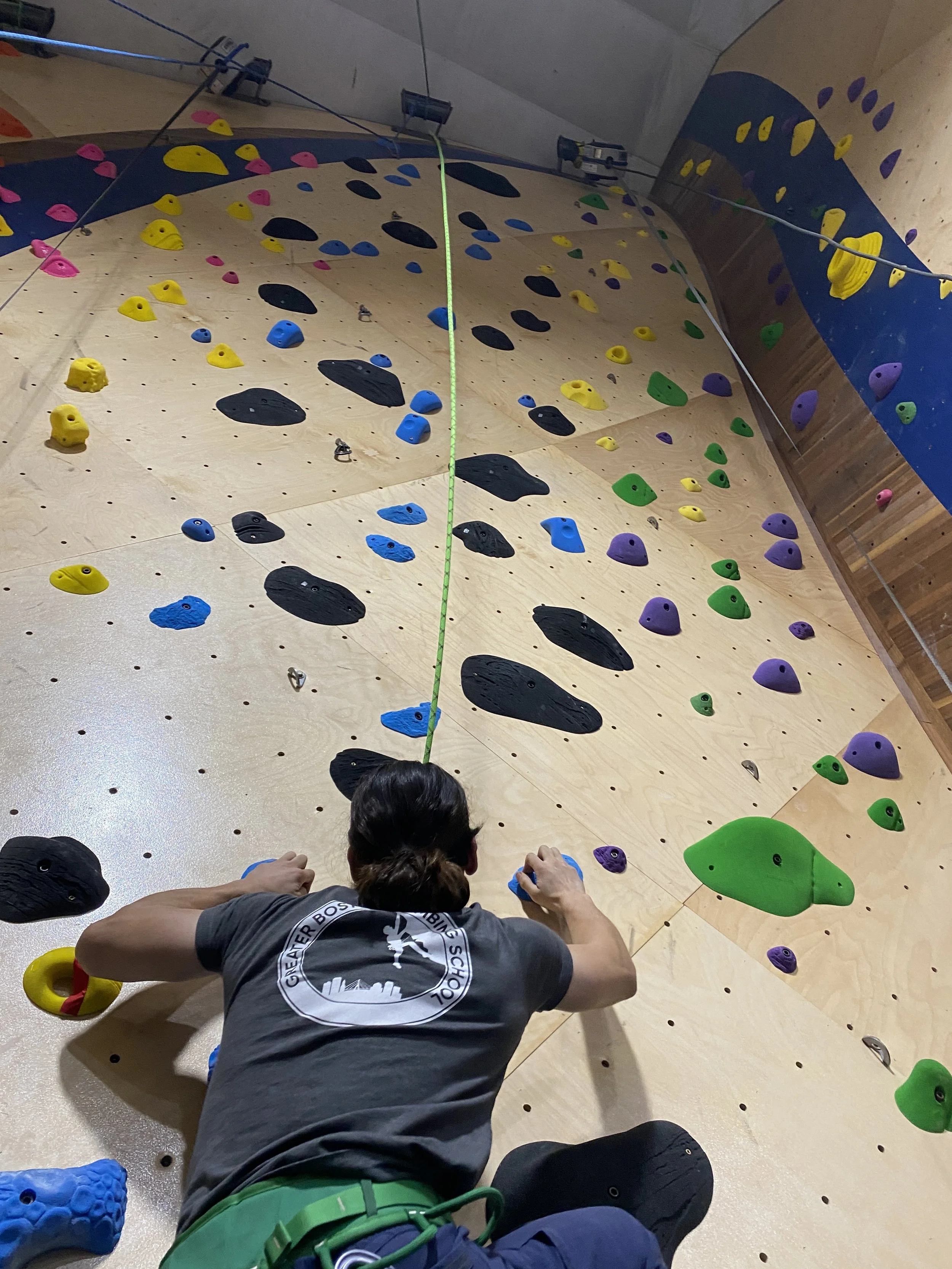 Image 7 of 11
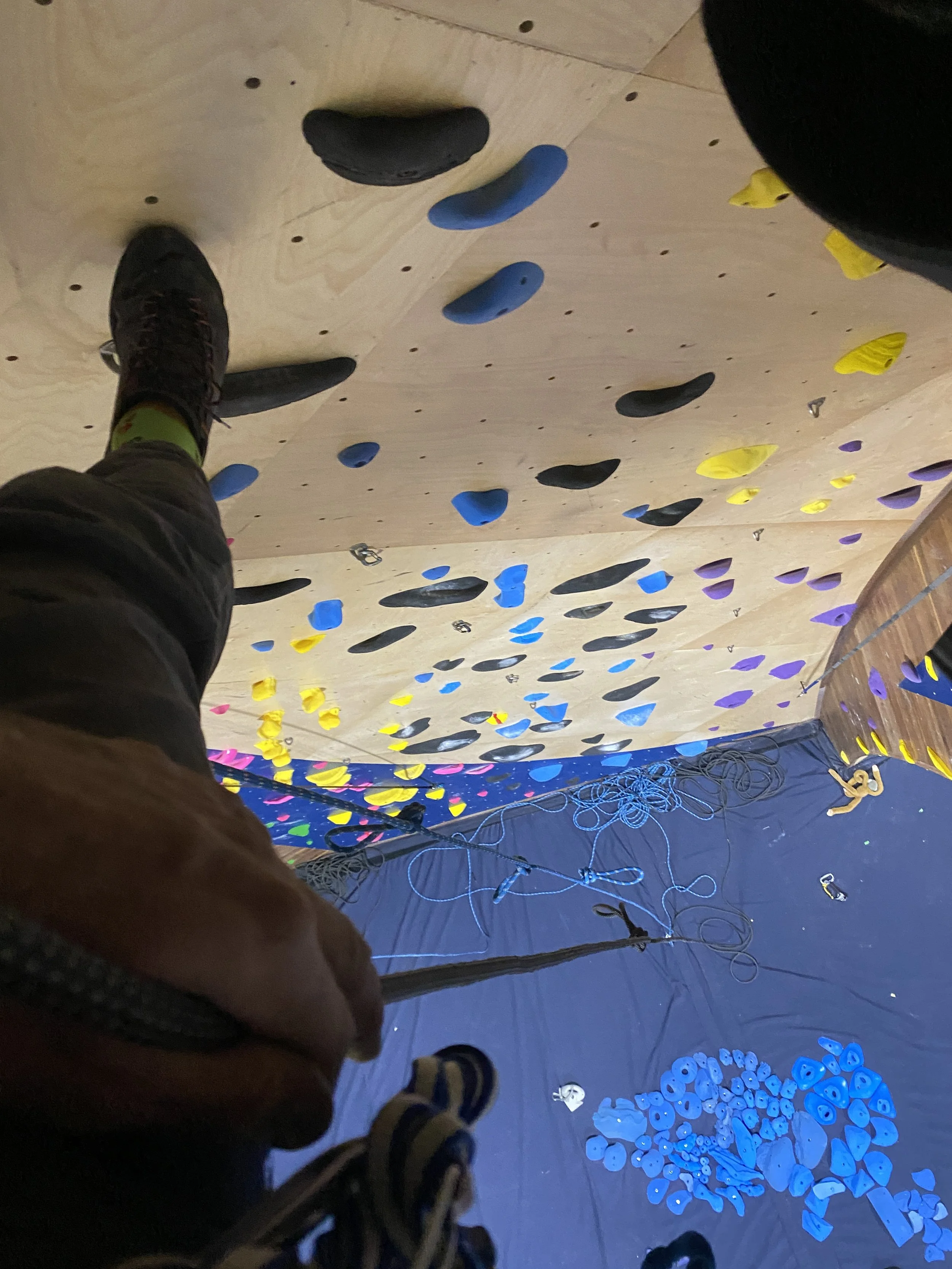 Image 8 of 11
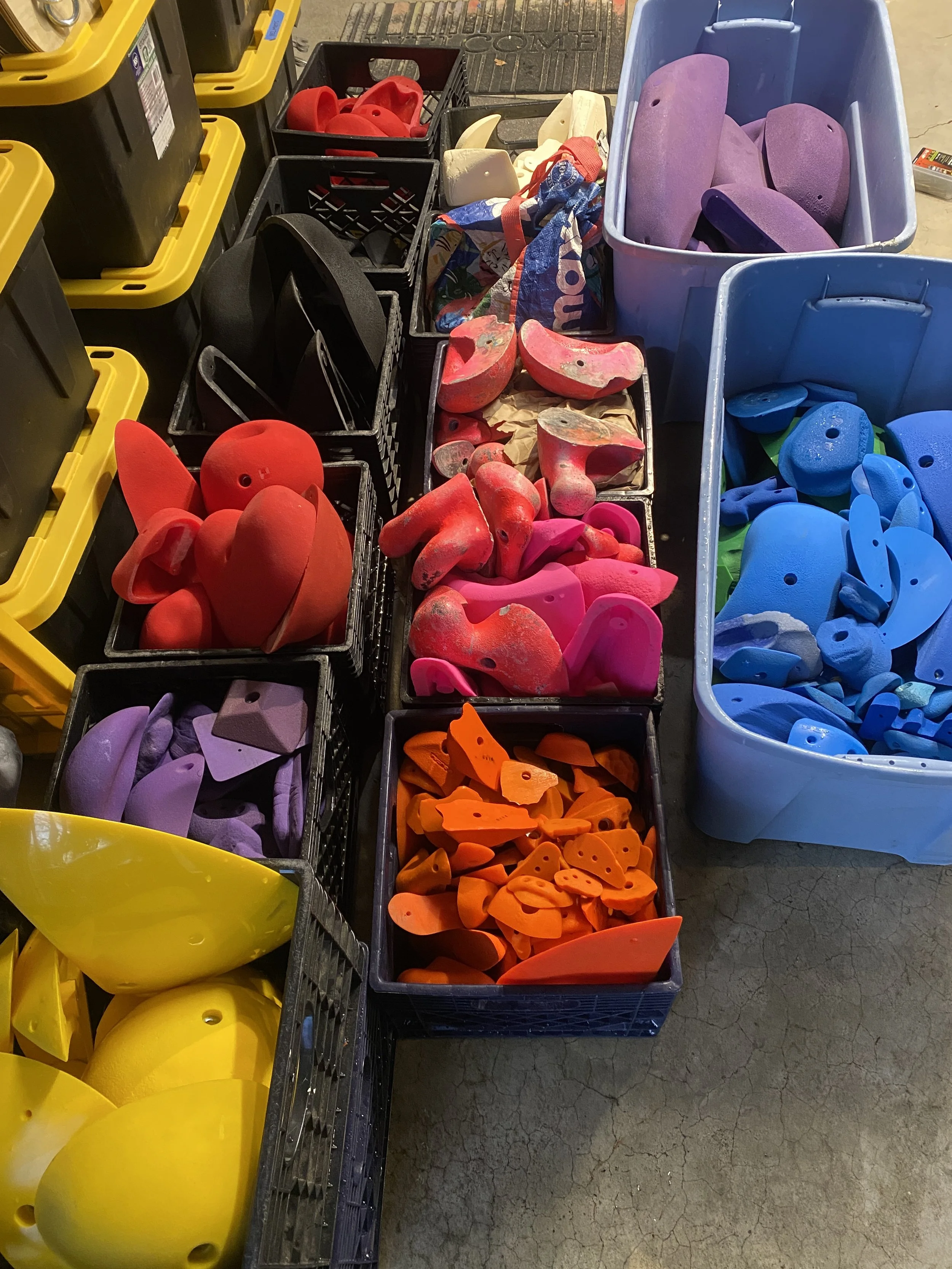 Image 9 of 11
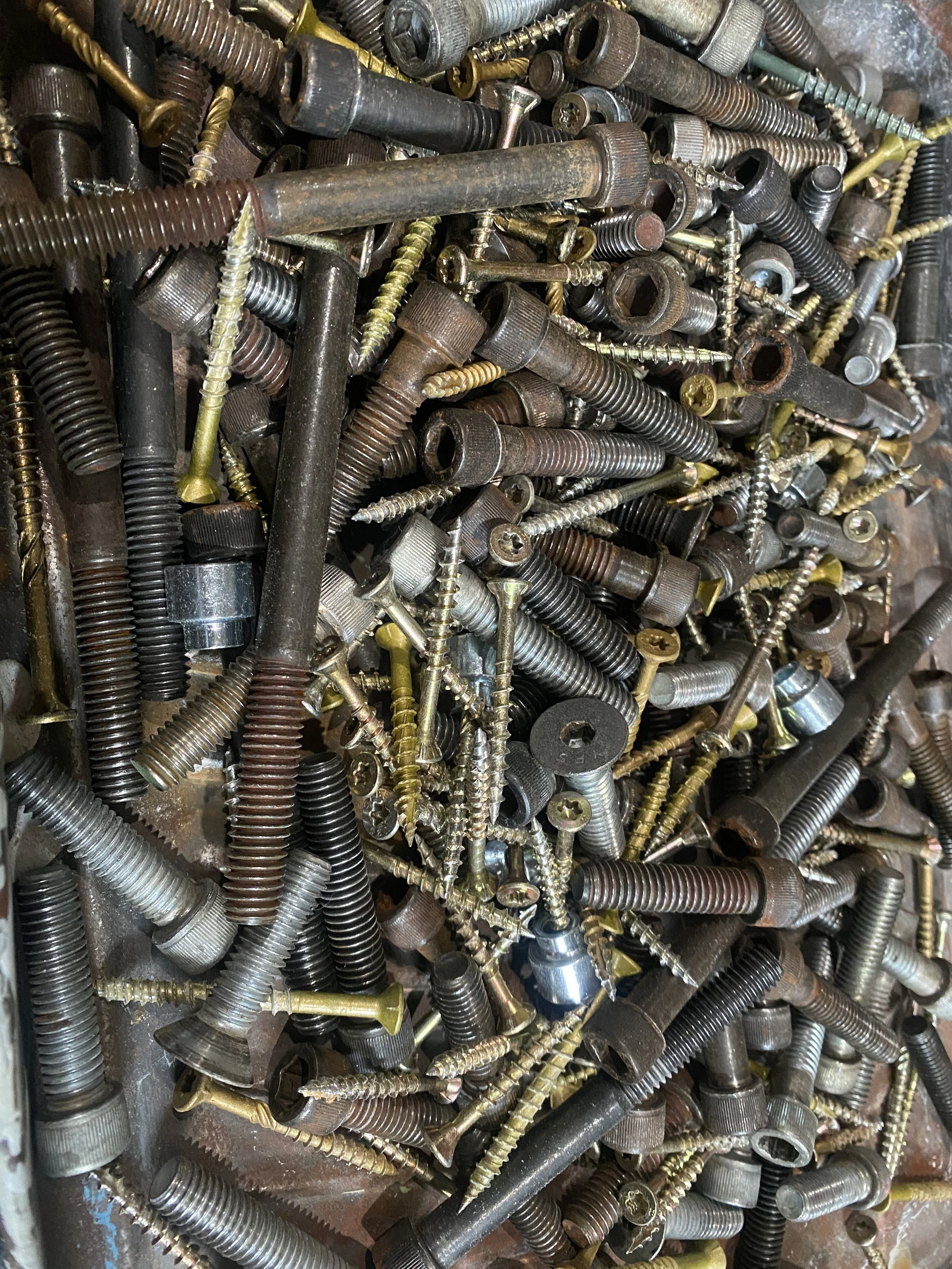 Image 10 of 11
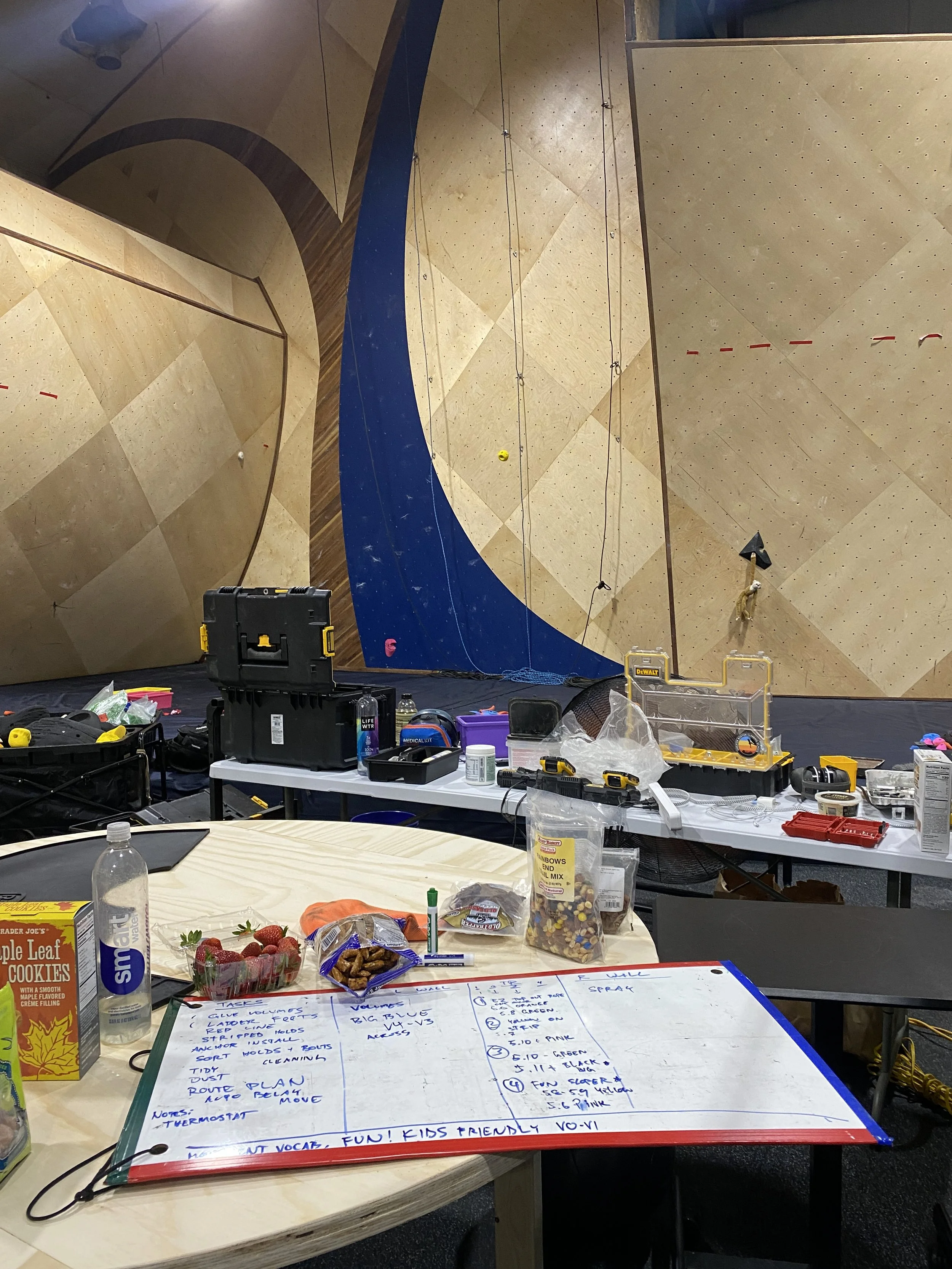 Image 11 of 11